Beams Engine Services: Strengthen Your Vehicle's Potential Today
Beams Engine Services specializes in improving automotive efficiency through advanced diagnostics and customized approaches. Their expert team focuses on critical metrics such as power and thrust, ensuring vehicles operate efficiently. With options for tuning and upgrades, they tackle both performance and emissions. As more vehicle owners aim to optimize their vehicle's potential, understanding the benefits and methods of engine optimization becomes essential. What possibilities await those ready to elevate their driving experience?
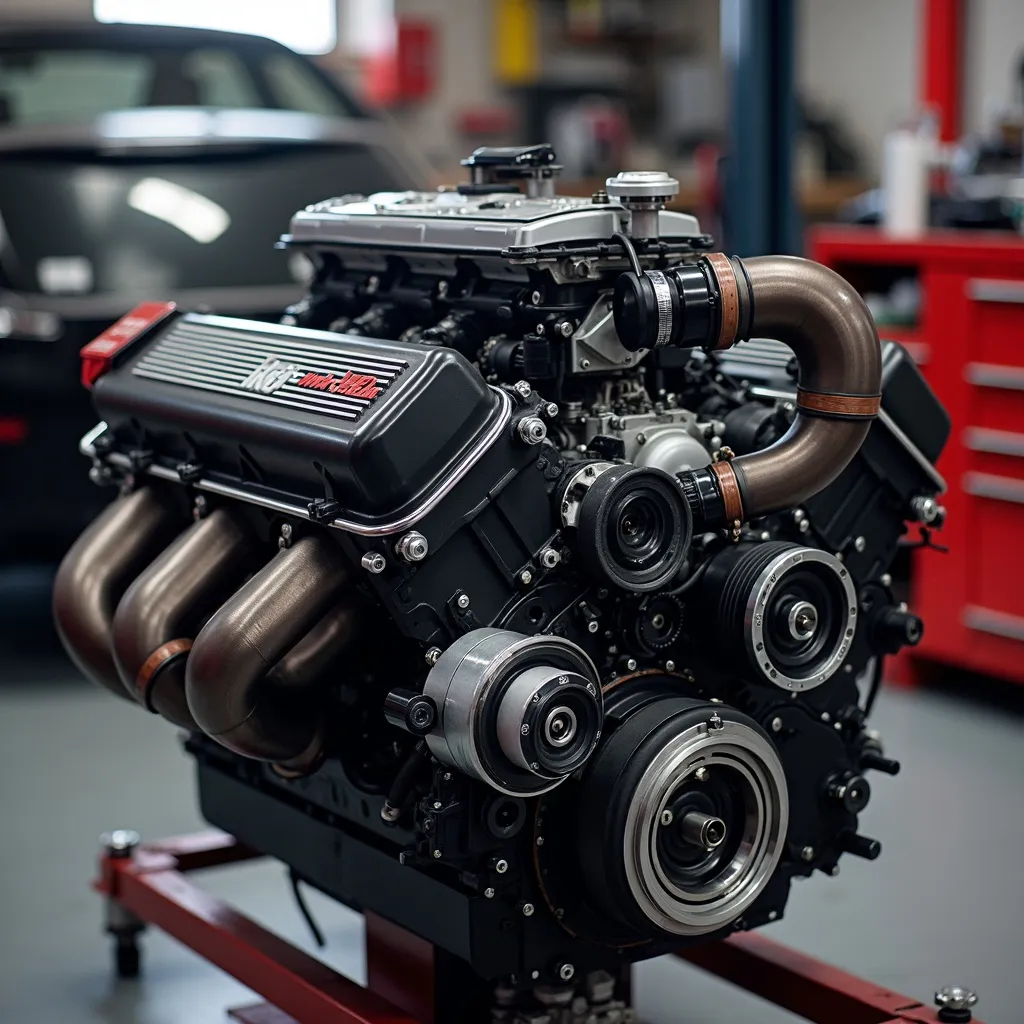
Fundamental Components of Engine Power: Vital Statistics Illustrated
Engine performance is a significant aspect of vehicle efficiency and power. Several vital measurements define how well an engine operates. Horsepower represents the engine's capacity for work, demonstrating how fast a vehicle can gain speed. Torque, meanwhile, refers to the rotational force produced by the engine, necessary for activities such as towing and climbing hills.
Another essential indicator is fuel economy, often stated in miles per gallon (MPG). This value evaluates how efficiently an engine transforms fuel into motion, significantly affecting operating costs. Additionally, engine quickness is critical; it assesses how quickly an engine can react to driver inputs, impacting overall driving experience.
Finally, emissions output is increasingly significant, demonstrating the engine's ecological footprint. Understanding these measurements permits vehicle owners to evaluate efficiency, ensuring informed decisions regarding maintenance and upgrades, ultimately enhancing their driving experience.
How We Make Your Vehicle to Function Superior
To enhance vehicle performance, sophisticated diagnostic techniques are used to uncover underlying problems. These approaches deliver a clear insight into a vehicle's status, enabling the implementation of focused improvement approaches. By handling both diagnostics and enhancements, ideal vehicle performance can be realized.
Advanced Analysis Techniques
Uncovering a vehicle's full potential demands exact and state-of-the-art diagnostic techniques. At Beams Engine Services, qualified technicians use state-of-the-art tools and software to discover underlying issues that may limit performance. These diagnostic methods involve in-depth examination of onboard systems, analyzing engine codes, and performing thorough performance assessments. By reviewing parameters such as fuel efficiency, ignition timing, and exhaust emissions, technicians can pinpoint inefficiencies affecting overall operation. Moreover, advanced diagnostic techniques enable the quick spotting of potential problems, permitting prompt interventions. This proactive method not only boosts vehicle reliability but also ensures peak functionality. Ultimately, these meticulous assessments provide the base for personalized performance improvements, preparing a vehicle to operate at its optimum.
Performance Upgrading Resources
After identifying performance issues through advanced diagnostic techniques, the focus shifts to implementing performance enhancement solutions. Beams Engine Services specializes in a variety of modifications designed to optimize engine output. These offerings comprise upgraded intake systems, exhaust components, and motor calibration, all aimed at improve horsepower and torque. Additionally, the team provides suspension upgrades and brake enhancements, making certain that vehicles not only operate more efficiently but also drive more effectively. By utilizing premium components and expert installation, Beams Engine Services guarantees lasting improvements. Routine maintenance checks are also emphasized to sustain improved capabilities over time. Ultimately, these tailored solutions deliver drivers with a more responsive and enjoyable driving experience, raising their vehicle's capabilities to new heights.
Engine Performance Upgrades: What Options Are Accessible?
What options are available for enhancing engine performance? Vehicle owners have multiple avenues to explore, each addressing different performance objectives. One popular upgrade is the addition of a performance-enhancing air intake system, which can boost airflow and enhance combustion efficiency. Another option includes upgrading the exhaust system, allowing for better expulsion of gases, which can boost power output.
Recalibrating the engine's ECU is an additional efficient solution, optimizing fuel delivery and ignition timing for superior efficiency. For those wanting more major power gains, turbochargers or superchargers can be fitted, compressing air entering the engine for greater performance.
To summarize, upgrading fuel injectors and using high-octane fuel can also promote more robust engine performance. Each of these options presents varied benefits, enabling vehicle owners to tailor their upgrades matching their performance aspirations and driving needs.
Top 5 Key Benefits of Improved Engine Efficiency
An improved engine efficiency offers a variety of benefits that can significantly enhance a vehicle's overall performance and ride quality. Initially, it leads to improved gas mileage, enabling drivers to go farther on less fuel, lowering total expenses. Second, improved efficiency often results in lower emissions, contributing to a more environmentally friendly performance. Moreover, an efficient engine can deliver greater horsepower, providing faster speed gains and better reaction time, which can substantially elevate the ride quality. Fourth, optimized engine functioning can result in reduced expert guide engine wear, extending the lifespan of critical components and minimizing repair expenses over time. Finally, enhanced engine efficiency can result in quieter operation, enhancing interior comfort and reducing sound pollution. Collectively, these benefits make a convincing case for why vehicle owners ought to emphasize engine efficiency when evaluating enhancement modifications.
How Digital Innovations Maximizes Engine Enhancement
In modern motor technology, technology plays an essential role in optimizing engine performance. State-of-the-art testing equipment provide real-time data, enabling prompt problem pinpointing and enhancing overall efficiency. Additionally, precision tuning techniques enable mechanics to calibrate motors for peak strength and gas mileage.
Advanced Testing Equipment
Unlocking the power of state-of-the-art diagnostic technology revolutionizes motor tuning, allowing technicians and car enthusiasts alike to detect operational problems with accuracy. These instruments, outfitted with state-of-the-art technology, provide immediate information that showcases motor performance indicators. By utilizing onboard diagnostics, technicians can quickly assess fault codes and locate malfunctions, simplifying the troubleshooting process. In addition, diagnostic software examine vehicle parameters, permitting for comprehensive evaluations of fuel efficiency, emissions, and general motor condition. This data-driven approach enhances decision-making processes, guaranteeing that fixes are focused and successful. Ultimately, advanced diagnostic tools not only improve the accuracy of motor evaluations but also lead to prolonged vehicle lifespan and improved functionality, making them indispensable in contemporary car maintenance.
Accurate refinement strategies for increasing performance
State-of-the-art diagnostic instruments pave the way for advanced calibration methodologies, which deploy modern technological systems to enhance motor operation. Such practices employ algorithmic programs to track operational metrics in real-time, allowing performance modifications that maximize fuel efficiency and power output. By using advanced mathematical frameworks and data-driven analysis, technical experts can uncover performance inefficiencies and execute critical modifications to ignition timing, fuel proportions, and other elements. Additionally, dynamometer testing furnishes vital insights into performance gains, assuring any modification produces measurable enhancements. Through engine optimization, vehicles can obtain superior responsiveness and overall dependability. This engineering approach optimizes engine performance while promoting service life, establishing engine calibration an indispensable element of contemporary engine tuning.
Achievement Examples: The Manner Engine Optimization Revolutionized Living
Engine tuning has revolutionized countless lives, enhancing not only vehicle performance but also the driving experience itself. For many motorists, the benefits have been transformative. One individual, a young entrepreneur, shared that after optimizing his car's motor, he experienced a significant increase in fuel efficiency, enabling him to save money on gas and put funds in his growing business. Another success story comes from a family who, after engine tuning, discovered their travels more enjoyable due to better speed response and handling, creating cherished moments on the highway.
In addition, car enthusiasts have identified that engine optimization not only strengthens horsepower but also upgrades overall enjoyment with their vehicles. The thrill of driving a meticulously optimized engine has reignited passions for many, making each journey memorable. These testimonies exemplify how engine optimization at Beams Engine Services breaks past mere mechanics, impacting lives and creating profound bonds between drivers and their vehicles.
Instructions for Launching With Beams Engine Offerings?
To begin the journey of improving car performance with Beams Engine Services, drivers should first conduct detailed investigation on the different services offered. This includes understanding engine tuning, performance upgrades, and diagnostic services adapted to particular vehicle types.
Next, potential customers should evaluate their vehicles' present states and identify specific performance objectives, such as enhanced horsepower or gas mileage. Speaking with experienced staff at Beams Engine Services can provide insights into the most advantageous services for each vehicle's needs.
Arranging an initial consultation is vital, as it allows drivers to explore their aims and obtain tailored guidance. Furthermore, reading user testimonials and testimonials can aid in determining the dependability and success of the solutions.
Finally, drivers should get ready for any required maintenance or fixes, making sure their cars are prepared for optimal efficiency improvements. By adhering to these guidelines, drivers can effectively initiate their performance-enhancing experience with Beams Engine Services.
Popular Inquiries Asked Often
How long Does an Engine Performance Upgrade Take?
An engine performance improvement generally takes anywhere from a few hours to a number of days, contingent upon the intricacy of the modifications and the exact vehicle. Proper planning and scheduling can greatly influence the aggregate timeframe.
Can Performance Improvements Nullify My Vehicle's Guarantee?
Performance enhancements can potentially nullify a vehicle's warranty, depending on the manufacturer's policies. It is essential for vehicle owners to examine warranty terms and consult with professionals to understand the implications of modifications before moving forward.
What Kinds of Automobiles Can Profit From Your Services?
Various automobiles can benefit from performance upgrades, including sports cars, trucks, and SUVs. Enhancements can improve speed, handling, and fuel efficiency, appealing to car lovers and ordinary drivers seeking a more exciting driving experience.
Are There Any Risks Associated With Engine Performance Enhancements?
Yes, engine performance enhancements can pose risks such as greater deterioration, possible heat buildup, and nullifying coverage. Proper evaluation and expert advice are essential to mitigate these risks and guarantee safe modifications.
How Often Should I Maintain My Engine for Peak Efficiency?
For optimal performance, an engine should be maintained every 5,000 to 7,500 miles, based on the vehicle and operating conditions. Routine maintenance guarantees longevity and efficiency, minimizing the probability of expensive maintenance and performance issues.