Durable Vehicle Replacement Parts: Uncover Your Perfect Match
Reliable auto replacement pieces are vital for vehicle performance and safety. Car owners must first identify their specific needs based on make, model, and year. Quality components, especially OEM parts, are crucial for a proper fit and compliance with standards. However, the market is flooded with options, making it difficult to make the right choice. Understanding where to source these parts can greatly affect their vehicle's longevity and reliability. What factors should one reflect on in this decision-making process?
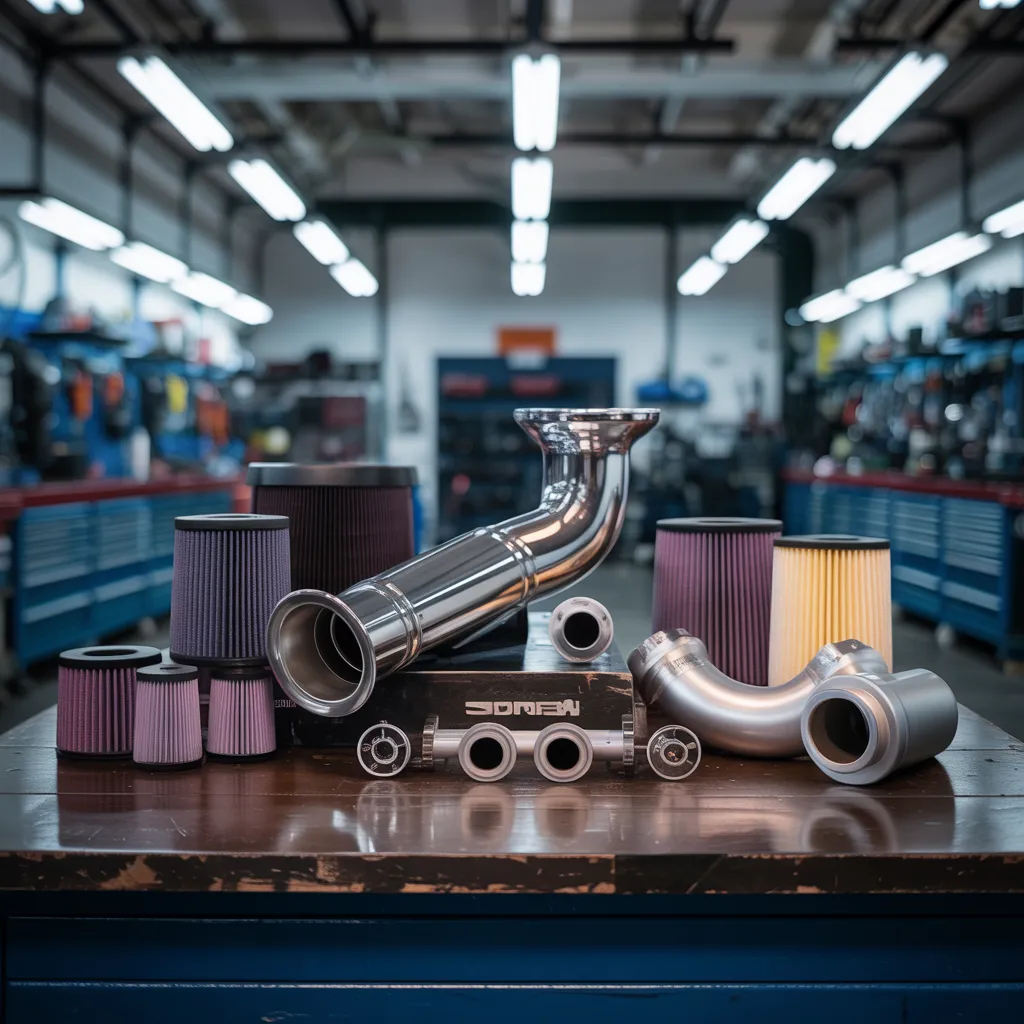
What Vehicle Replacement Components Are Needed?
When figuring out what auto replacement parts are necessary, one must examine the precise needs of their vehicle. Vehicles need varied parts based on make, model, and year. Frequently changed components that often need replacement include brake pads, batteries, filters, and belts. Continuous wear and tear can cause the breakdown of these parts, making timely replacement critical for best performance and safety.
Additionally, grasping the vehicle’s operation plays an important role in deciding which parts to highlight. For example, a vehicle frequently driven in challenging conditions may require more frequent replacements of certain components. Consulting the owner’s manual can provide important insights into recommended replacement intervals. Moreover, it is essential to evaluate the potential for upgrades or modifications, as these may require specific parts that improve performance or efficiency. By accurately determining the required parts, vehicle owners can maintain their vehicles effectively and prolong their lifespan.
Guide on How to Spot Integrity in Replacement Components
Assessing quality in replacement parts is key for ensuring vehicle capability and safety. First, it's important to examine the substances used in the part; top-quality components usually use durable metals or composites that resist wear and corrosion. discover now Verifying credentials, such as ISO or SAE standards, can also suggest credibility, as reputable manufacturers observe strict guidelines.
Additionally, checking the appearance of the part is key—flawless surfaces and uniform coatings reflect higher quality manufacturing processes. Original Equipment Manufacturer (OEM) parts are often the gold standard, as they match the standards of the vehicle’s original components.
Furthermore, analyzing the manufacturer's reputation gives insights about the quality of their products. User reviews and professional suggestions can reveal possible issues or advantages. By weighing these elements, one can properly gauge the quality of replacement parts, which leads to smart buying choices.
How to Find Top-quality Auto Parts?
Where can one find quality auto parts that promise reliability and performance? Numerous reputable sources provide a large range of auto parts adapted for different needs. Local auto parts stores are often the first stop, delivering knowledgeable staff and immediate access to necessary components. Additionally, chain retailers sometimes stock a wide range of products, including both basic and high-performance parts.
Online shops present an option, boasting extensive inventories and competitive pricing. Websites specializing in auto parts often include buyer feedback, aiding in informed purchasing decisions. Additionally, manufacturer websites may offer direct sales of original equipment parts, guaranteeing authenticity.
For those seeking specialized components, salvage yards can be a great source of affordable, used parts that remain functional. Ultimately, consumers should undertake research and scrutinize the integrity of their chosen source to verify they are investing in quality auto parts.
Comparing OEM and Aftermarket Auto Parts: Key Factors to Evaluate
Selecting Original Equipment Manufacturer versus aftermarket auto parts can be a significant choice for vehicle owners. Original Equipment Manufacturer (OEM) parts are created by the vehicle’s manufacturer, ensuring a perfect fit and compliance with industry standards. They usually include warranties and are made to maintain the vehicle’s original performance. Yet, OEM parts can be costlier.
Conversely, aftermarket parts are produced by external companies and can have wide quality differences. Although they may offer cost savings, their fit and reliability may not always equal that of OEM parts. It is crucial for vehicle owners to evaluate their budget, the specific part needed, and the vehicle's warranty terms before deciding. Looking into the reputation of aftermarket manufacturers can also give insights into potential durability and performance. Ultimately, the decision between OEM and aftermarket parts depends on individual preferences and circumstances.
Tips for Fitting Substitute Parts Like a Specialist
When installing replacement parts, using proper tools is essential for a positive result. A comprehensive instructional guide can streamline the procedure and guarantee that each component is correctly fitted. By following these tips, anyone can boost their expertise and reach professional-grade results.
Fundamental Tools You Need
For a smooth auto repair experience, it is important to equip oneself with the right tools. A basic toolkit should contain wrenches and sockets in various sizes, allowing versatile use. Screwdrivers, both flathead and Phillips, are necessary for taking out screws during installations. Pliers and wire cutters help in effectively gripping and cutting components. A torque wrench makes sure that bolts are tightened to manufacturer guidelines to prevent damage. Additionally, a jack and jack stands are needed for safely lifting the vehicle. A multimeter can aid in diagnosing electrical issues, while a funnel and oil catch pan make fluid changes cleaner and easier. Having these vital tools on hand not only streamlines the repair process but also improves the overall quality of the installation.
Stepwise Installation Guide
Installing new parts can be a straightforward task with the right approach. First, make sure all essential tools and parts are gathered to reduce interruptions. Begin by checking the vehicle's manual for specific instructions related to the part being replaced. Then, disconnect the battery to ensure safety during installation. Remove the old part carefully, noting its fitting. When installing the replacement part, align it properly and secure it according to manufacturer instructions. After installation, reconnect the battery and perform a functionality test. Finally, dispose of the old part responsibly. Following these steps will not only ensure a successful installation but also enhance the longevity and performance of the vehicle.
Guide on How to Keep Up Your Auto After Changing Components
It is essential to care for a vehicle after replacing parts in order to ensure its durability and operation. Regular inspections are necessary; operators must check the freshly replaced components for wear or misalignment. Routine oil changes promote peak engine function, while maintaining proper fluid levels prevents overheating and mechanical issues.
Ongoing wheel maintenance encompassing rotation and pressure checks guarantees even wear and boosts handling. Additionally, following the manufacturer’s recommended maintenance schedule aids in spotting potential problems early.
Driving patterns also matter; aggressive acceleration and abrupt braking can strain new parts. Keeping the vehicle tidy helps prevent rust and corrosion, especially in zones where new components were installed.
In the end, retaining records of every replacement and maintenance procedure aids to observe the vehicle’s health over time, guaranteeing it stays in top condition. By complying with these actions, vehicle owners can boost the benefits of their recent parts replacements.
Frequently Common Questions
What is the proper way to confirm a parts guarantee before buying?
Before buying, verifying a parts warranty involves reviewing the manufacturer’s records, utilizing online resources, and consulting with the retailer. Also, validating warranty terms directly with customer service can provide extra assurance.
Which devices do I need to swap out auto parts
Replacing auto parts usually requires basic tools such as wrenches, sockets, screwdrivers, pliers, and a jack. You might also need additional gear like torque wrenches and a multimeter for certain duties.
Do common indicators of damaged replacement parts exist in replaced components?
Common signs of broken replacement parts are unusual noises, vibrations, warning lights, decreased performance, fluid leaks, and premature wear. These clues generally suggest that the installed components are not operating as intended, requiring immediate attention.
How can I discard used auto parts in an eco-friendly way?
To dispose of old auto parts in an eco-friendly manner, individuals should visit local recycling centers, participate in automotive waste collection programs, or return parts to retailers that provide recycling services, guaranteeing environmental safety and compliance with regulations.
What Must I Take if a Component Is Defective?
If a part is faulty, the person ought to contact the supplier for a return or replacement. Record the problem and follow any particular warranty instructions given, guaranteeing proper resolution and minimizing potential disruption to their vehicle’s functioning.