Essential Guide: What to Consider When Buying Engines Online for Your Vehicle
When buying an engine unit online, numerous elements are involved to secure a smooth purchase. Compatibility with the vehicle is paramount, demanding careful review of details like the make, model, and VIN number. Shoppers need to evaluate the benefits and drawbacks of brand-new, remanufactured, and secondhand alternatives. Knowing warranty terms and finding trustworthy sellers can make more challenging the process. As all these considerations converge, it becomes clear that knowledgeable selections are key to a successful outcome. What should your next steps be?
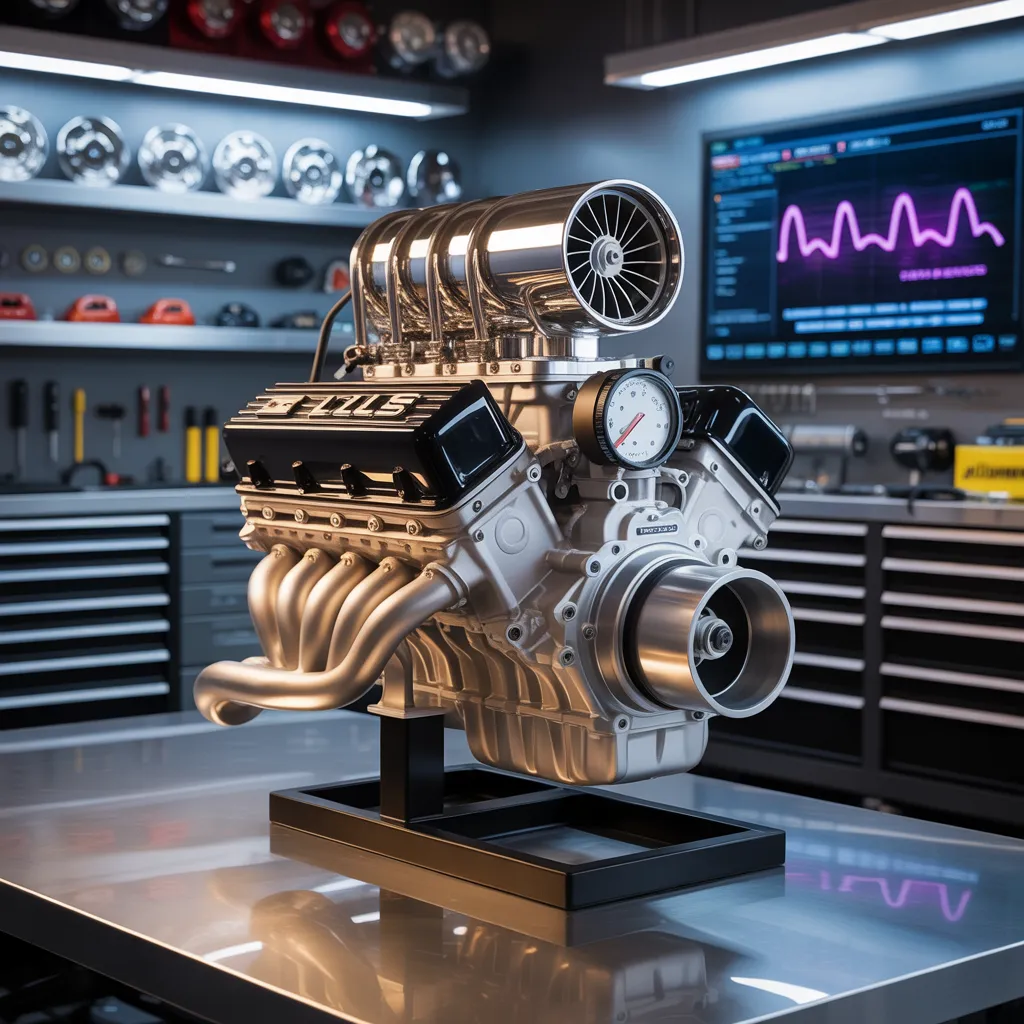
How to Ensure Engine Compatibility With Your Vehicle
When acquiring an engine through an online retailer, ensuring compatibility with the vehicle is critical for ensuring a proper fit. Purchasers should first determining the make, model, and year of the vehicle, as these specifications are significant for matching the engine. Furthermore, consulting the vehicle identification number (VIN) can offer precise information that helps verify compatibility.
Additionally, it is crucial to consider the type of engine, such as whether it is gasoline or diesel, as well as the size and configuration of the engine. Researching the engine's component numbers can also assist in confirming that it corresponds to the requirements of the vehicle.
Customers are advised to consult the seller for all compatibility assurances or return procedures, which can protect against unanticipated complications. Finally, reviewing buyer testimonials and looking for trustworthy references can shed light on the retailer's trustworthiness, supporting a thoroughly informed buying decision.
Choosing Between New, Remanufactured, or Used Engines
Rebuilt engines offer an intermediate solution, as they are remanufactured to match original specifications. This option typically balances price and performance, drawing in those who desire assurance without the new engine price tag. Furthermore, remanufactured engines often include warranties, enhancing their attractiveness.
Pre-owned engines are the most budget-friendly option but carry inherent risks, including unknown wear and potential lack of warranty. Buyers must thoroughly evaluate the engine's history and condition before purchasing. Ultimately, the decision should align with individual priorities, weighing aspects such as budgetary restrictions, performance demands, and tolerance for risk.
A Guide to Warranties and Returns When Buying Engines Online
Navigating the intricacies of return policies and warranties is essential for anyone purchasing an engine online. Buyers should carefully review the warranty details supplied by the retailer, as these can differ significantly between vendors and manufacturers. A robust warranty commonly includes defect coverage and delivers peace of mind, but it's critical to know the length and exact conditions.
Return policies are just as important; they dictate the terms under which an engine can be returned if it does not meet expectations or if there are compatibility issues. Certain sellers may impose a restricted return period or restocking charges, which can affect the total expense. Additionally, it is advisable to inquire about the process for returning faulty parts, as this can save considerable hassle later. Being aware of these aspects contributes to a more efficient transaction and secures the buyer's financial commitment in the long term.
Determining a Reasonable Budget for Your Engine Purchase
When setting a budget for an engine purchase, it is crucial to begin by setting a well-defined budget range. Buyers should also account for installation costs, as these can significantly affect the overall costs. Moreover, accounting for future maintenance costs will help confirm that the acquisition remains cost-effective in the years ahead.
Identify Your Budget Range
Establishing a spending limit for an engine purchase requires careful consideration and financial foresight. Prospective purchasers should first investigate pricing trends to grasp the price range for various engine categories, including brand-new, reconditioned, and secondhand selections. It is essential to assess personal finances and determine how much may be set aside without affecting other monetary commitments. Purchasers should also factor in the long-term value of the engine, weighing dependability and output in relation to the purchase price. Establishing a spending range not only aids in narrowing down choices but also prevents overspending. Ultimately, a carefully outlined budget ensures that the purchaser remains focused on engines that meet both their needs and financial limitations, rendering the acquisition process far more effective.
Consider Installation Costs
Planning a budget for an engine purchase requires more than accounting for the engine's price alone; the costs of installation must also be included in your calculations. Such costs can fluctuate considerably depending on the installation's complexity, the kind of vehicle, and the labor rates charged by different mechanics. Mechanics may charge a flat fee or an hourly rate, which can add up quickly. Furthermore, specialized tools or equipment might be required, driving up costs even more. It is essential for buyers to gather quotes from multiple mechanics in order to arrive at an accurate estimate of installation expenses. When buyers include these expenses in their overall budget, they can sidestep unexpected financial pressure and secure a smoother engine replacement process.
Factor in Future Maintenance Expenditures
Planning for long-term upkeep costs is important for anyone purchasing an engine. Buyers should assess the ongoing costs associated with engine servicing, including fluid changes, filter replacements, and unforeseen repairs. It is prudent to research the particular engine model to assess its performance history and recurring faults, as certain engines may demand increased servicing than others. Moreover, warranty plans can give assurance but may also affect the general expense. Buyers should factor in the costs of dedicated instruments or professional assistance needed for repairs. By planning for these costs, buyers can make a smarter investment, ensuring that their purchase corresponds to their budget constraints over the engine's operational life. This preventative approach consistently boosts engine performance and durability.
Spotting Reputable Online Engine Suppliers
When buying an engine unit on the internet, evaluating retailer credibility is important. Consumers should examine the vendor's track record, check warranty terms, and review return procedures to ensure a safe purchase. These steps can reduce potential risks and improve the overall purchasing experience.
Investigate Retailer Reputation
Several elements play a role in recognizing reputable online engine retailers, but one of the most essential is examining their credibility. Shoppers may commence by checking online reviews and ratings on platforms such as Google, Yelp, or specialized automotive forums. Positive feedback from previous buyers often indicates trustworthiness and superior assistance. Furthermore, it helps to review the seller's background, such as their years of operation and any affiliations with recognized automotive organizations. Taking part in group dialogues can also shed light on potential red flags. Lastly, retailers with transparent policies regarding returns and customer support generally indicate dedication to buyer fulfillment, further enhancing their credibility in the competitive online marketplace.
Check Warranty Options
Knowing warranty choices is a vital step in the journey of purchasing an engine online. A robust warranty provides valuable protection against production flaws and unexpected failures. Consumers should carefully review the warranty terms, including duration, coverage details, and any limitations that may apply. It's important to choose retailers that offer comprehensive warranties, as this often reflects their trust in product quality. Furthermore, being familiar with the claims process is critical; a clear procedure can reduce time discussion and frustration if complications develop. Some retailers may also include extended warranty options for extra peace of mind. By verifying warranty options, consumers can make well-informed decisions and ensure that their investment is safeguarded against unforeseen problems.
Review Return Policies
Before completing a purchase, buyers should carefully check the refund policies of online engine retailers to make certain they can properly manage any potential issues. Understanding the return terms is vital; a retailer that offers a accommodating return policy shows reliability and dedication to customers. Purchasers should search for policies that enable returns within an appropriate time period and offer straightforward guidance on how to begin the return process. Furthermore, it is essential to determine whether the retailer covers shipping costs for returns, as this can considerably influence overall spending. A transparent return policy can function as a measure of the retailer's trustworthiness and focus on customer satisfaction, making it a critical consideration in the decision-making process.
Post-Purchase: Setup Guidelines
Setting up a brand new engine can be a rewarding yet challenging task that requires careful attention to detail. Proper preparation is essential; begin by assembling all needed tools and materials, including new gaskets, fluids, and any required hardware. A clean workspace will enable a more efficient installation process.
Before taking out the old engine, note the wiring and hose arrangements to ensure proper reconnections. It is recommended to keep a vehicle model-specific repair manual nearby for reference.
As the new engine is positioned, ensure it is correctly aligned with the engine mounts. Proper torque specifications must be observed precisely, as incorrect tightening can cause problems down the line. After installation, thoroughly check for leaks and perform a thorough inspection before starting the engine. To conclude, permit the vehicle to idle and observe for any unexpected sounds or performance issues, guaranteeing a successful changeover to the new engine.
Popular Questions Answered
What Steps Should I Take to Verify an Engine's History Before Purchase?
To check an engine's history before acquiring it, it is advisable to retrieve its Vehicle Identification Number (VIN), assess service documentation, search for damage reports, and consult online resources to validate ownership and maintenance history comprehensively.
What Are the Indicators of a High-Quality Engine Listing?
Top-quality engine listings commonly showcase clear, detailed descriptions, numerous high-resolution images, precise technical specifications, confirmed seller reviews, and transparency regarding the engine's history and overall condition. Thorough warranties and return policies further indicate a trustworthy listing.
Is It Possible to Negotiate Prices When Purchasing Engines Online?
Absolutely, price negotiation when buying engines online is commonly an option. Buyers should research comparable listings, understand market value, and approach sellers respectfully, as numerous sellers welcome negotiations to arrive at a mutually favorable deal.
What Documents Should I Ask the Seller to Provide?
The purchaser ought to request documentation such as the engine's historical report, warranty specifics, proof of purchase, and any maintenance records. These documents establish transparency and help verify the condition and authenticity of the engine.
How Long Does Shipping Typically Take for Engines?
Shipping for engines generally requires between three to ten business days depending on the shipping method and the seller's location. Unexpected delays might arise due to customs or unforeseen circumstances, so it's wise to check the expected delivery timeframe in advance.